


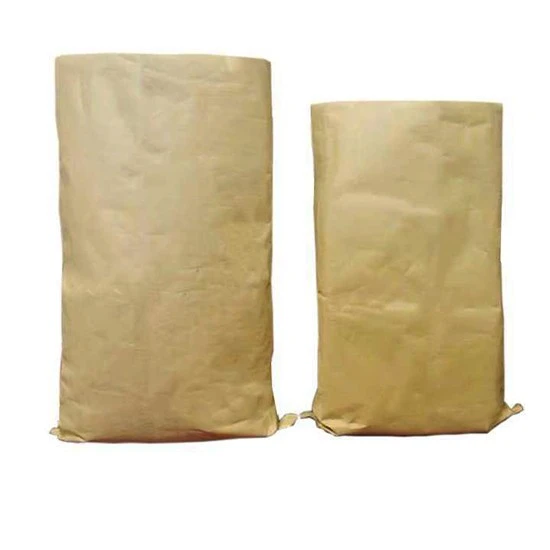
The Overview of Industrial Paper Bags
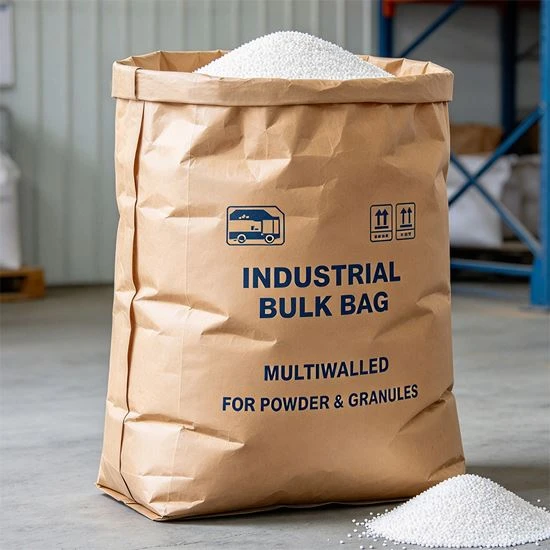
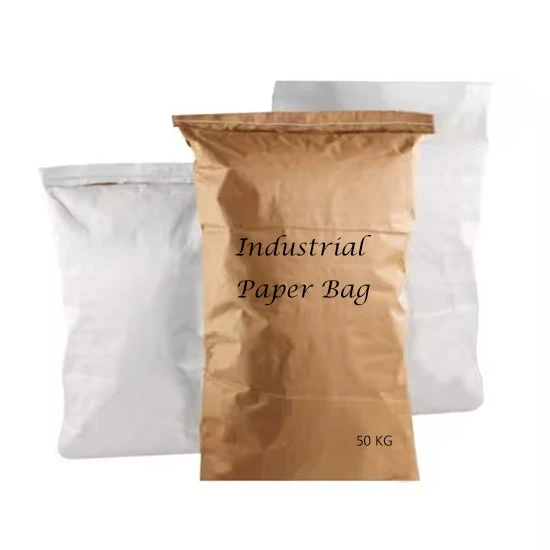
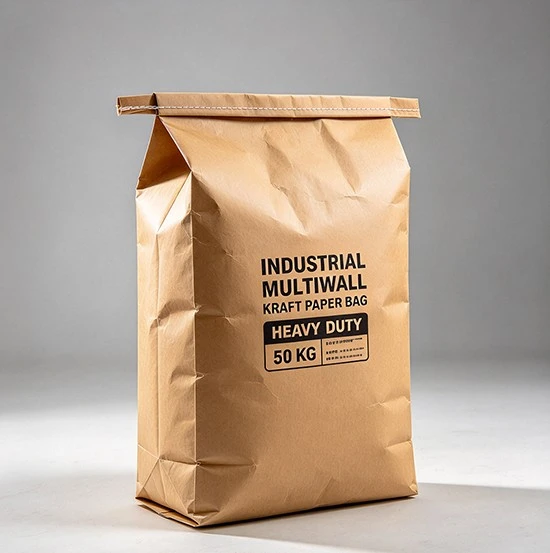
Our industrial paper bags are heavy-duty, multi-wall packaging solutions manufactured from high-strength virgin or recycled kraft paper. Designed for bulk dry solids, powders, granules, and fine materials, these bags deliver reliable stacking strength, puncture resistance, and moisture protection for storage, palletization, and long-distance shipping. We support fully customized sizes, wall layers, printing, closure styles, and inner liner options to match your filling machine and cargo requirements.
We produce industrial paper bags with strict quality control on paper tension, glue strength, airtightness, and valve sealing. Our engineering team can suggest the most cost-effective structure according to your product properties, filling temperature, storage environment, and container loading plan. One-stop service: from paper roll selection, sample trial production, mass manufacturing, to export packing.
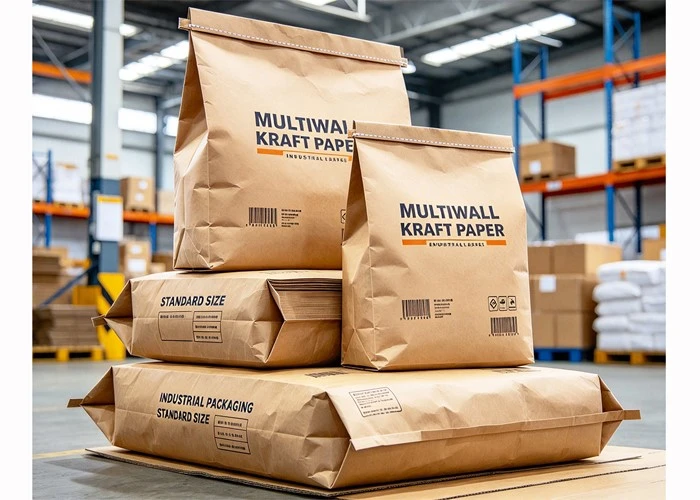
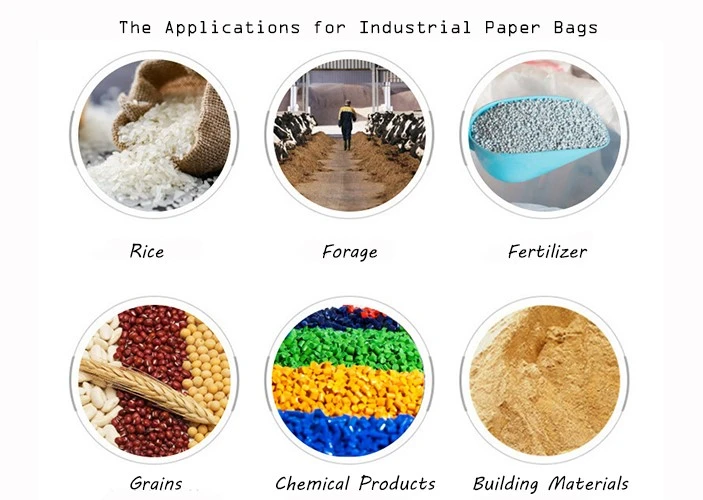
Key features of our industrial paper bags:
• Premium Kraft Paper Material: Made of natural brown kraft paper (bleached white kraft available on request). Options include virgin kraft for maximum tensile strength or FSC-certified recycled kraft for sustainable, low-carbon packaging. Paper basis weight ranges from 70 gsm to 140 gsm per layer.
• Multi-Wall Construction: 2-ply, 3-ply, 4-ply or custom multi-layer structure. More layers offer superior burst resistance for heavy, sharp, or abrasive contents.
• Optional Inner Liner: PE liner / PP liner / water-resistant coated kraft liner available. The liner blocks moisture, fine dust leakage, and oil penetration, making it ideal for hygroscopic powders and chemical goods.
• Multiple Bottom & Top Styles:
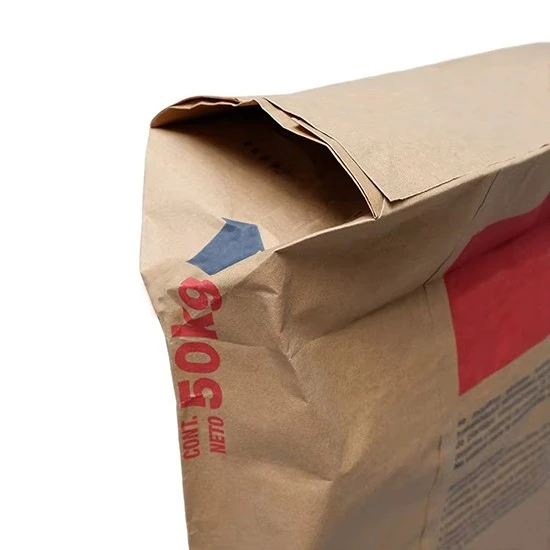
- Valve bottom (pinch valve / internal valve / external valve): widely used for automatic filling of cement, lime powder, talcum powder, putty powder; easy for pallet stacking.
- Open mouth (square bottom / flat bottom): suitable for manual/semi-auto filling of granules, feed, fertilizer, minerals.
- Sewn top, glued top, folded top options.
• Wide Compatibility: Fit for automatic valve filling machines, open-mouth baggers, and hand packing lines.
How to choose the right size for Industrial Paper Bags
● Confirm 3 basic pieces of information first
1. Target net weight per bag (e.g., 25 kg, 50 kg)
2. Bulk density of your material (kg/m³) - this is the most critical data
◦ Light powder (carbon black, silica fume): low bulk density → need bigger bag
◦ Heavy powder (calcium carbonate, iron powder, sand): high bulk density → smaller bag
3. Bag style: Valve bag (cement type) / Open mouth block bottom / Sewn bottom sack
Valve bags and open-mouth bags with the same capacity use different dimension standards.
● Key dimension definition for industrial kraft bags
Industrial multi-wall kraft bags are marked as Width × Length (W × L)
1. Width (W): The flat width of the bag body (gusset width included for gusseted bags)
2. Length (L): Total length from bottom to top edge
For valve bags: Length = bag body height + valve area
For block-bottom open-mouth bags: The bottom will expand into a square base when filled, so reserve space for bottom expansion.
● Simple calculation rule
Filled volume required = Net weight ÷ Bulk density
Example:
1. Material: Dry mortar, bulk density ≈ 1600 kg/m³
2. Target: 25 kg
3. Required volume = 25 ÷ 1600 = 0.0156 m³ = 15.6 L
Then select a bag whose usable internal volume is slightly larger (add 5%~10% spare space).
● Match size with your filling machine
1. Automatic valve filling machine (cement, putty powder)
◦ Valve bags have a fixed matching range for the spout diameter of the filler
◦ Too narrow: Cannot sleeve onto filling spout; too wide: bag shakes, inaccurate weighing, dust leakage
◦ Standard 25kg cement valve bag common size: 500 × 950 mm (for reference only)
2. Open mouth block bottom bagger
◦ Block bottom size decides whether it can stand stably on the conveyor
◦ Bottom too small: bag falls over during filling
3. Manual filling / sewn sacks
◦ More flexible, but length must reserve enough top margin for sewing or tying.
● Consider pallet & container loading
Most customers load on EUR pallet / standard 1200×1000 mm pallet:
◦ After filling, the bag becomes a "brick". The filled bag footprint should fit your pallet grid
◦ Optimize bag dimensions so you can load full layers without wasting container space
◦ Also check stacking height: taller bags risk lower stacking stability and collapse
Rule of thumb:
◦ After filled, bag width + height should fit pallet arrangement
◦ Avoid odd sizes that leave small gaps in 20GP / 40GP containers
● Other factors that adjust size selection
1. Material fluidity
◦ Free-flowing granules (fertilizer, plastic pellets): good flow, less extra space needed
◦ Fluffy, aerated fine powder (fumed silica, carbon black): holds air, needs extra volume
2. Liner option
◦ With PE inner liner: liner takes up tiny inner space; you may need to upsize slightly
3. Storage & transport
◦ Long sea shipment, easy compaction: do not oversize too much, otherwise bags bulge and slip on pallets
4. Safety margin
◦ Sharp, heavy minerals: apart from size, you also need more paper layers; size + structure work together
FAQ
Hot Tags: industrial paper bags, China industrial paper bags


