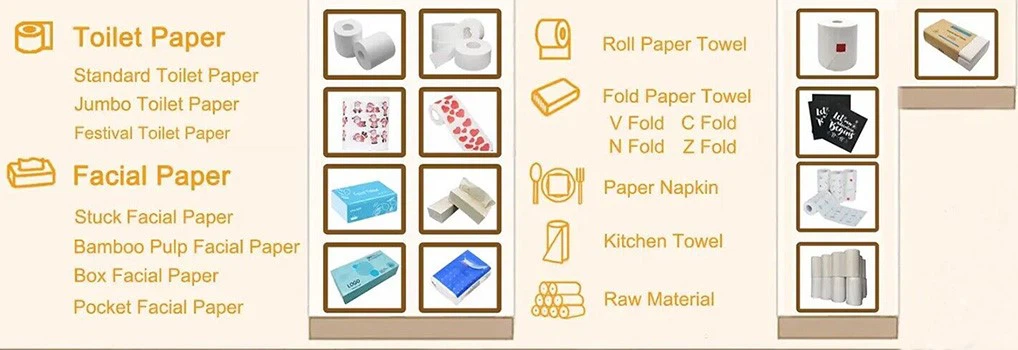

Sustainable raw materials for paper production are essential for reducing environmental impact and promoting eco-friendly practices. Here are some common sustainable materials used in paper production:
Recycled Paper: Recycled paper is one of the most sustainable options. It is made from post-consumer waste (paper that has been used and discarded) or pre-consumer waste (paper scraps from manufacturing processes). Using recycled paper reduces the need for virgin wood pulp and helps conserve forests.
Bamboo: Bamboo is a fast-growing grass that can be harvested sustainably. It grows much faster than trees and does not require replanting after harvesting.Bamboo is a versatile raw material that can be used to produce high-quality paper with a relatively low environmental impact.
Agricultural Residues: Agricultural residues such as wheat straw, rice straw, and sugarcane bagasse are by-products of farming that are often underutilized. Using these residues for paper production helps reduce waste and provides an alternative to wood pulp.
Hemp: Hemp is another sustainable raw material for paper production. It grows quickly and requires fewer pesticides and fertilizers compared to traditional crops. Hemp fibers are strong and durable, making them suitable for high-quality paper products.
Kenaf: Kenaf is a tropical fiber plant that grows rapidly and produces high yields of fiber. It is an excellent alternative to wood pulp for paper production. Kenaf requires less water and fewer chemicals during processing, making it a more sustainable option.
Sustainable Wood Pulp: When wood pulp is sourced from sustainably managed forests, it can be considered a sustainable raw material. Forests that follow the principles of sustainable forestry, such as those certified by the Forest Stewardship Council (FSC), ensure that trees are harvested responsibly and that ecosystems are preserved.
Flax: Flax is a versatile crop that produces fibers used in linen production. The leftover fibers from flax processing can be used to make paper. Flax is a sustainable option because it requires fewer inputs compared to traditional paper-making crops and can be grown sustainably.
Additionally, mushroom mycelium, cotton linters and stone paper are also belong to common sustainable materials used in paper production. Innovations in sustainable materials and practices are continuously evolving, offering more eco-friendly options for consumers and industries alike.