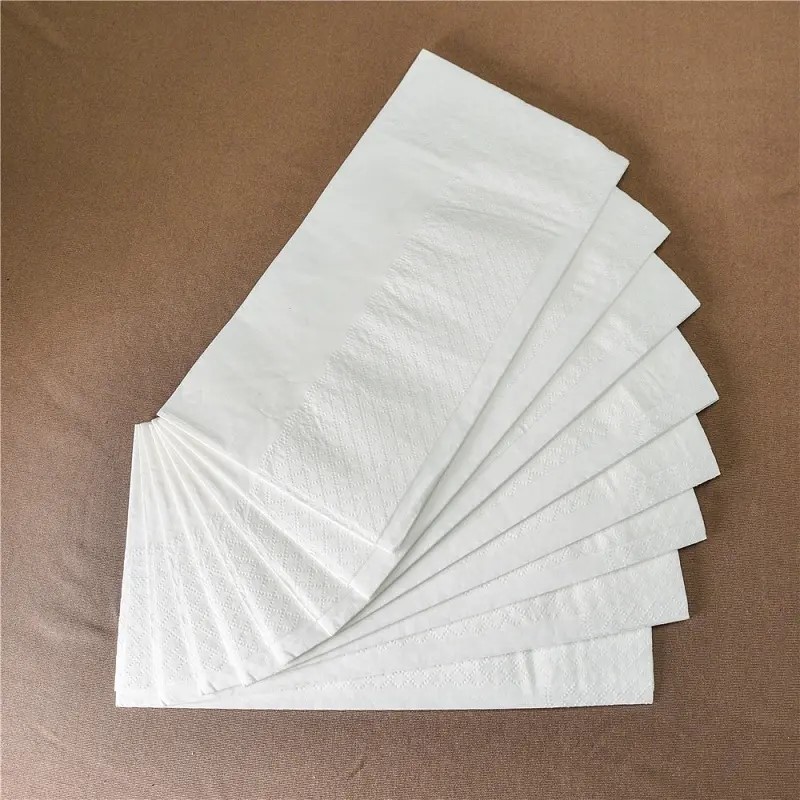

Using high-grade paper pulp as the core material for paper napkins delivers a range of advantages that directly enhance performance, user experience, and product versatility-addressing key needs for both consumers and businesses (e.g., restaurants, event planners, brands). Below is a detailed breakdown of these benefits:
Superior Softness & Skin-Friendly Performance
High-grade paper pulp (especially virgin or well-refined blended pulp) is processed to remove coarse fibers, impurities, or uneven particles. This results in a smooth, luxuriously soft texture that feels gentle against the skin-critical for napkins, which are frequently used on lips, cheeks, or hands during meals. Unlike low-grade pulp (which may contain rough residues), high-grade options avoid irritation, making them suitable for all users, including children, seniors, or those with sensitive skin.
Enhanced Durability: Resists Tearing (Even When Wet)
One of the most practical advantages of high-grade pulp is its structural strength. The fibers in high-grade pulp are longer, more uniform, and better bonded during manufacturing. This means:
- Dry durability: The napkin maintains its shape (e.g., crisp folds for 1/8 fold designs) without fraying or crumbling, even when handled repeatedly (e.g., unfolding, wiping hands, placing on laps).
- Wet durability: Unlike low-grade pulp (which disintegrates or tears easily when saturated), high-grade pulp retains its integrity when exposed to liquids (sauces, soups, beverage spills). This prevents frustrating mishaps-such as bits of paper sticking to hands or food-and ensures the napkin can handle "messy" meals (e.g., ribs, pasta, fried foods) effectively.
Excellent Absorbency for Efficient Cleanup
High-grade paper pulp is engineered to optimize absorbency, thanks to its well-structured fiber network. The pulp's fibers are spaced to create tiny, moisture-retaining pockets, allowing the napkin to:
- Soak up liquids quickly (e.g., a spilled glass of water or dripped gravy) instead of repelling or spreading moisture.
-
Hold more liquid without becoming soggy or dripping. This efficiency means users need fewer napkins per meal, reducing consumption and waste-beneficial for both cost savings (for businesses) and sustainability (for eco-focused users).
Smooth, Uniform Surface for Aesthetics & Customization
High-grade pulp produces a consistent, blemish-free surface-a key advantage for napkins that need to look polished or support branding. This uniformity:
- Enhances visual appeal: For plain napkins, it creates a crisp, professional look (e.g., bright white or even pastel hues without streaks). For folded styles like 1/8 fold dinner napkins, the smooth surface preserves sharp, neat folds that maintain their shape throughout use.
-
Enables high-quality printing: Brands or event planners often customize napkins with logos, monograms, or designs (e.g., wedding motifs, restaurant names). High-grade pulp's smooth texture ensures ink adheres evenly, resulting in vibrant, smudge-free visuals that don't bleed or fade. Low-grade pulp, by contrast, may have uneven surfaces that ruin print quality.
Better Adaptability to Finishes & Textures
High-grade pulp is more malleable and resilient, making it ideal for adding value-added finishes or textures that elevate the napkin's appeal:
- Embossing: It can withstand the pressure of embossing (e.g., floral patterns, geometric designs) without tearing, creating a tactile, premium feel that enhances table settings (e.g., for weddings, holiday dinners).
-
Coatings: It accepts print-ready or stain-resistant coatings (e.g., for oil-repellent napkins) evenly, without compromising softness. Low-grade pulp may crack or peel when coated, reducing durability.
Sustainability Compatibility (for Eco-Focused Options)
- Recycled high-grade pulp: It is made from post-consumer waste that has been thoroughly processed to remove contaminants, ensuring it still delivers decent softness and strength (unlike low-grade recycled pulp, which may be brittle or uneven).
-
Chlorine-free bleaching: High-grade pulp is often bleached using eco-friendly methods (e.g., oxygen or peroxide bleaching) instead of harsh chlorine, making it safer for the environment and suitable for brands marketing "green" products.