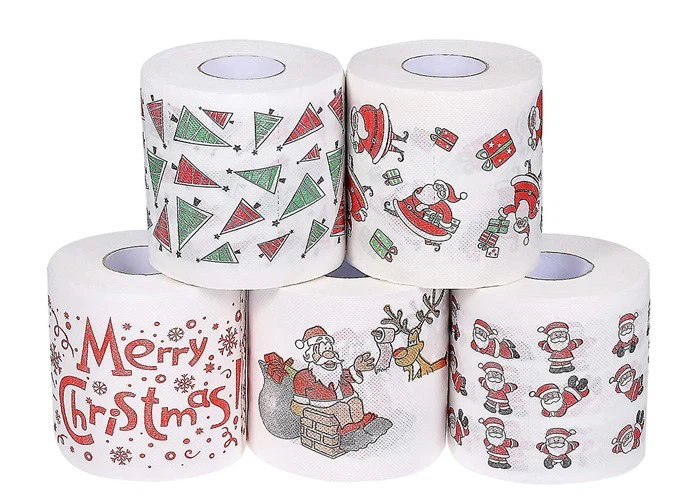
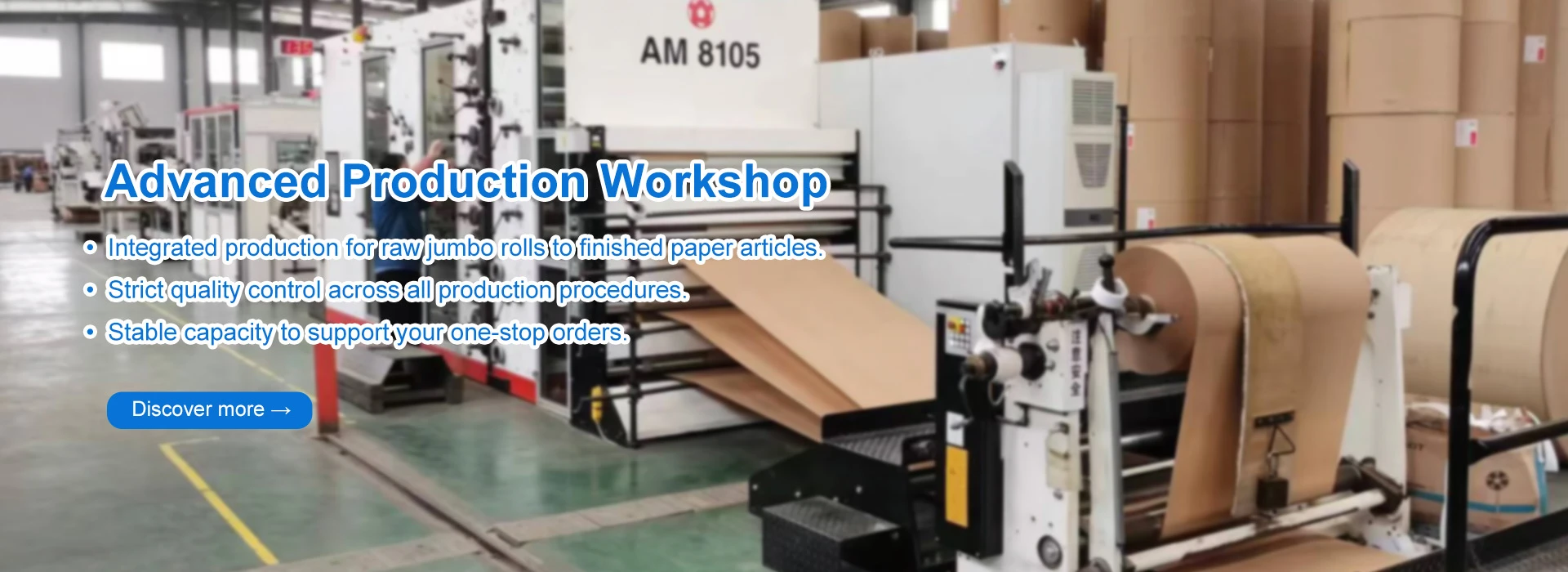
The printing process significantly impacts the quality of printed toilet paper rolls-from visual appeal and user safety to functionality and durability. Below is a detailed breakdown of key printing factors and their effects, tailored to industrial and commercial applications (e.g., branded toilet paper for hotels, promotional rolls, or custom-printed household products):
Printing Technology Selection: Precision, Coverage, and Compatibility
- Flexographic Printing (Most Common for Toilet Paper) - Effect on Quality: Uses flexible relief plates and water-based inks, ideal for high-speed production (1,000+ rolls/min). Delivers sharp text/logos and consistent color coverage if plates are properly engraved (300–600 dpi resolution). Poor plate alignment or worn plates causes blurring, misregistration (color shifting), or uneven ink transfer.
- Digital Printing (Inkjet/Thermal) - Effect on Quality: Enables on-demand customization (small batches, variable data like QR codes) with high precision (1,200+ dpi). Eliminates plate setup, reducing waste and ensuring design accuracy for complex graphics. However, ink adhesion may be weaker on absorbent paper, leading to smudging if not cured properly.
- Gravure Printing - Effect on Quality: Delivers deep, vibrant colors and smooth gradients via engraved cylinders. Used for premium toilet paper (e.g., luxury hotel brands) but has higher setup costs. Risk of over-inking, which causes ink bleeding or transfer to hands/clothing.
Ink Properties: Safety, Adhesion, and Aesthetics
- Safety & Compliance - Non-toxic, food-grade inks (compliant with FDA 21 CFR Part 176, EU REACH, or ISO 15768) are mandatory. Harmful chemicals (e.g., heavy metals, formaldehyde) or irritating dyes cause skin allergies or contamination-critical for commercial use (hospitals, schools, hotels).
- Adhesion & Smudge Resistance - Water-based or soy-based inks (vs. solvent-based) are preferred for toilet paper's porous structure. Poor adhesion leads to ink transfer (smudges on hands, clothing, or surfaces) when wet or rubbed. Curing temperature (60–80°C) and drying time must be optimized to prevent ink bleeding into the paper fibers.
- Color Fastness & Consistency - Color stability under humidity (toilet environments) and light (storage) ensures brand consistency. Fading or discoloration (e.g., from UV exposure) reduces product perceived value. Batch-to-batch color variation (ΔE ≤2) is critical for retail or branded applications.
Paper Substrate Compatibility: Thickness, Absorbency, and Texture
- Basis Weight & Thickness - Lightweight toilet paper (15–20 g/m²) is prone to ink penetration or tearing during printing (especially at high speeds). Heavier rolls (20–25 g/m²) offer better ink hold but require adjusted pressure to avoid crushing the paper's soft texture.
- Absorbency - Highly absorbent paper (e.g., recycled toilet paper with high lignin content) may cause ink bleeding or feathering (edges of text/graphics blur). Coated or calendered toilet paper (smoother surface) improves ink transfer but may reduce softness-balance is key for user experience.
- Texture - Embossed toilet paper (common for luxury brands) requires printing alignment with embossed patterns. Misalignment creates a disjointed visual effect, while excessive pressure during printing flattens embossments, reducing tactile quality.
Printing Parameters: Pressure, Speed, and Alignment
- Pressure Settings - Too much pressure crushes the paper (loses softness, tears easily) or causes ink to bleed; too little pressure results in incomplete ink transfer (spotty designs). Anilox roller pressure (for flexo) must be calibrated to the paper's thickness (typically 0.1–0.3 MPa).
- Production Speed - High-speed printing (exceeding 1,200 rolls/min) increases the risk of misregistration, ink smearing, or paper jams. Speed must be matched to ink drying time-faster speeds require faster-curing inks (e.g., UV-curable inks, though less common for toilet paper due to cost).
- Alignment & Registration - For multi-color prints, precise alignment of each color plate (±0.05mm) is essential. Misregistration (e.g., red text shifted from blue background) renders designs unprofessional and reduces brand credibility.
Post-Printing Processes: Curing, Slitting, and Rewinding
- Curing/Drying - Inadequate drying leads to ink smudging during slitting/rewinding. UV curing (fast, no solvent residue) or hot-air drying (cost-effective for water-based inks) must be optimized to avoid paper warping or brittleness.
- Slitting & Rewinding - Sharp, clean slitting blades prevent fraying of printed edges (which can cause ink to peel off). Tension control during rewinding (0.5–1.0 N/m) ensures uniform roll tightness-loose rolls may shift during storage, while over-tight rolls crush the paper and smudge ink.
- Quality Inspection - Automated vision systems (checking for misregistration, smudges, missing ink, or defects) reduce defect rates. Manual sampling (1–2 rolls per batch) verifies color consistency and ink adhesion (e.g., rub tests with dry/wet cloths).
Environmental Factors: Humidity and Temperature
- Humidity (45–60% RH): High humidity causes paper to absorb moisture, leading to ink bleeding; low humidity makes paper brittle and prone to tearing. Ink viscosity also changes with humidity-adjustments to ink thinning agents (e.g., water for flexo inks) are required.
- Temperature (20–25°C): Extreme temperatures affect ink drying time and adhesion. For example, cold temperatures slow curing, increasing smudging risk.