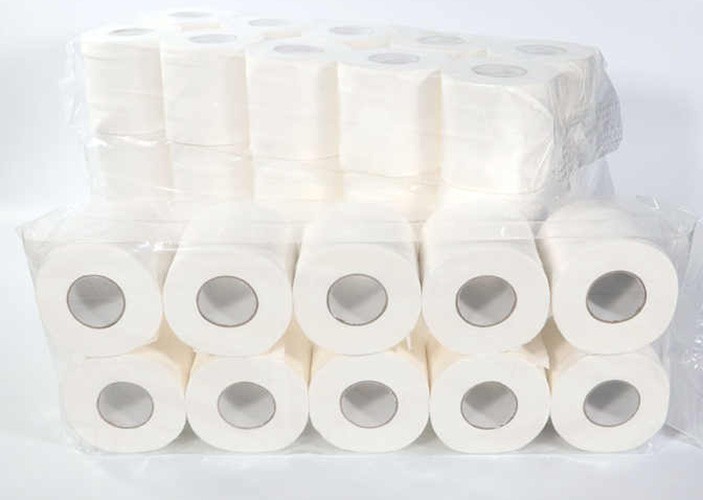

Using 100% recycled toilet paper offers numerous environmental, social, and even economic benefits. Here's a detailed breakdown of its advantages:
Conserves Natural Resources
- Saves Trees: Unlike virgin toilet paper, which relies on cutting down fresh trees (often from old-growth forests or plantations), recycled toilet paper uses post-consumer waste paper (e.g., old newspapers, cardboard, or office paper). This reduces deforestation, which is crucial for preserving ecosystems, wildlife habitats, and carbon-sequestering forests.
- Conserves Water and Energy: Manufacturing recycled toilet paper requires significantly less water and energy than producing virgin paper. For example, recycling paper can save up to 50% of the energy used in virgin paper production and reduce water consumption by up to 60%.
Reduces Waste in Landfills
- Post-consumer paper waste is a major component of landfill content. By recycling this waste into toilet paper, we divert materials from landfills, reducing methane emissions (a potent greenhouse gas) and the need for additional landfill space.
Lowers Carbon Footprint
- The production of recycled toilet paper generates fewer greenhouse gas emissions. Reduced energy use (especially from fossil fuels) and less transportation of raw materials (since recycled paper can be sourced locally) contribute to a smaller carbon footprint compared to virgin paper production.
Promotes a Circular Economy
- Using recycled products supports the circular economy, where waste is reused rather than discarded. This encourages sustainable consumption patterns and reduces reliance on finite resources.
Supports Sustainable Practices
- Choosing recycled toilet paper sends a market signal that consumers prioritize sustainability. This can pressure manufacturers to adopt greener practices and invest in more eco-friendly technologies.
Chemicals and Toxicity Reduction
- Recycled toilet paper often involves less harsh chemical processing than virgin paper. While virgin paper may use chlorine bleach to achieve brightness, many recycled products use eco-friendly alternatives (e.g., oxygen or hydrogen peroxide) or are unbleached, reducing water pollution and exposure to harmful chemicals.
Cost-Effective and Accessible
- Recycled toilet paper is often priced competitively with virgin products, making it an affordable sustainable choice. As demand grows, availability in stores and online has increased, making it easy to switch.
Ethical and Social Benefits
- Supporting recycled paper products can align with ethical consumer values, such as avoiding products linked to deforestation or habitat destruction. It also promotes responsible waste management practices in communities.
Contributes to Global Environmental Goals
- By reducing deforestation, waste, and carbon emissions, recycled toilet paper use supports global initiatives like the Paris Climate Agreement and the UN's Sustainable Development Goals (e.g., Life on Land, Responsible Consumption and Production).